
As the world celebrates International Women’s Day 2025 under the theme “For ALL Women and Girls: Rights. Equality. Empowerment.” To achieve a feminist future in which all people are treated equally, this year’s theme urges action to unlock equal rights, power, and opportunities for all women.
Among other challenges, access to finance remains a critical challenge for refugee women and girls who face systemic barriers to accessing financial resources that could transform their lives despite their resilience. Lack of access to finance is not a new phenomenon but rather, deeply rooted in historical gender inequalities and has continued to persist due to structural challenges in financial systems.
For centuries, women have been systematically excluded from economic participation. In many cultures, they were denied the right to own property, open bank accounts, or access credit without male approval. Until the 20th century, even in developed countries, women struggled to gain financial independence. For example, in the United States, it was only in 1974 with the passing of the Equal Credit Opportunity Act that women could apply for credit without needing a male co-signer. Similar struggles were witnessed globally, with women in many African and Asian countries gaining minimal financial rights much later.
For refugee women, these historical injustices have been magnified. Forced displacement not only strips them of financial stability but also pushes them into unfamiliar economic environments where they lack access to financial services such as banking, credit, and formal employment. Traditional financial systems often do not recognize displaced persons, making it nearly impossible for refugee women to access loans, savings accounts, or financial aid without proper identification and documentation.
To this day financial exclusion remains a significant hurdle for refugee women seeking economic independence. Studies have shown over the years that displaced women are far less likely than men to have a bank account, mobile money access, or formal employment.
Limitations to access to finance include lack of identification many refugee women flee their countries without legal documentation, making it difficult to meet banking requirements and most host countries make the process tricky and hard.
Legal restrictions in certain host countries, refugees are not allowed to open bank accounts or engage in formal employment, and gender norms and cultural barriers due to restrictive gender roles that limit their participation in economic activities.
Limited financial literacy. Many refugee women lack access to financial education, which makes navigating banking, savings, and investment opportunities challenging. The way forward is to provide multilingual resources and culturally sensitive financial advisors, and create peer-led support groups where women can share experiences and learn together. By addressing these challenges, we can help refugee women build confidence and take control of their financial futures.
Climate finance exclusion, according to the Global Innovation Fund, despite making up 80% of those affected by climate shocks, only 2% of climate finance is received by women. This disparity is even more alarming for refugee women, who are often displaced by climate disasters and yet receive little financial support to rebuild their lives. Putting in intentional efforts to ensure equitable access to resources and support for these vulnerable groups such as allocating funds specifically for women-led initiatives and ensuring their voices are included in decision-making processes, providing training and resources to empower women to participate in climate resilience projects are some of the ways that this challenge can be addresses.
Financial inclusion is a key catalyst for women’s rights, equality, and empowerment. To bridge the financial gap for refugee women, governments, NGOs, financial institutions, and international organizations must take deliberate action:
This should be done through the expansion of digital financial solutions, leveraging on mobile banking and fintech innovations to help refugee women access and manage finances securely, even in displacement settings that are often remote and unreachable.Also, there should be deliberate efforts to simplify banking and ID Requirements. Financial institutions should adopt flexible KYC (Know Your Customer) requirements that allow refugees to access financial services with refugee identity cards.
We cannot achieve a just transition in displacement settings without enhanced access to climate finance for refugee women. With climate shocks disproportionately affecting women, refugee women must be included in climate adaptation funding and green entrepreneurship programs.
Finally, there should be efforts to strengthen financial legal protections. Host countries such as Uganda and the rest should create policies that allow refugees, especially women, to engage in economic activities and access banking services without any hurdles.
At REBU we are improving access to credit for women through the use of alternatives to collateral. Through innovative finance models and working with refugee women themselves to design financial products, we are bypassing barriers to financial access and enabling female refugee-led businesses to thrive.
Genuine rights, equality, and empowerment for all women and girls must include access to finance for refugee women. Without the ability to save, invest, and grow businesses, refugee women remain vulnerable to economic dependence and exploitation. As we commemorate International Women’s Day, we appeal to you to join hands with us at Kuza Refugee Business Platform as we strive to achieve these dreams for our refugee women. Remember financial inclusion is not just about economic growth but rather justice, dignity, and a future where all women, regardless of their status, have the power to control their financial destinies.
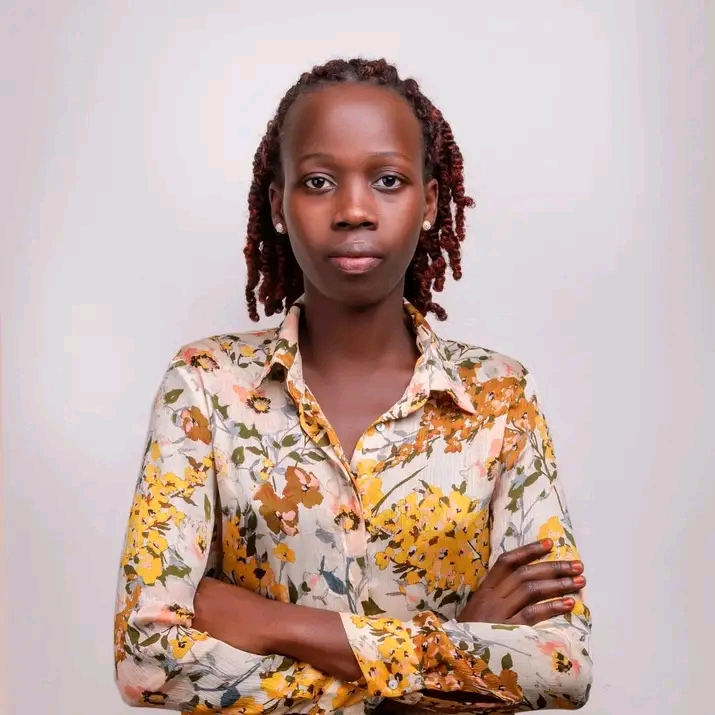
BY ANENA BEATRICE AYAT
Tel: +256765920249
I loved as much as you will receive carried out right here. The sketch is attractive, your authored subject matter stylish. nonetheless, you command get bought an nervousness over that you wish be delivering the following. unwell unquestionably come further formerly again as exactly the same nearly a lot often inside case you shield this increase.
Thanks so much for passing by and taking time to share your thoughts We are glad you found the design and writing style engaging. Your encouragement means a lot, and we hope you’ll drop back in again to see how things continue to grow here.
I’m not that much of a online reader to be honest but your blogs really nice, keep it up! I’ll go ahead and bookmark your website to come back later. All the best
Thank you so much for the kind words, We really appreciate you taking the time to read and share your thoughts especially since you don’t usually spend much time reading online. That makes your feedback even more meaningful. We are glad you enjoyed the blog, and we look forward to having you back whenever you feel like dropping by. Wishing you all the best too