
As the world celebrates International Women’s Day 2025, themed ‘For ALL Women and Girls: Rights. Equality. Empowerment and Accelerate Action’, it’s essential to acknowledge the significant improvements made towards gender equality. However, despite progress, women continue to face substantial challenges in accessing finance, hindering their ability to participate fully in the economy.
This article explores the historical context of women’s access to finance, highlights the specific challenges faced by refugee women, and talks about strategies that can be called upon to support female refugee-led entrepreneurs in overcoming these obstacles.
Historically, women have been marginalized and excluded from financial systems, perpetuating the gender gap in economic opportunities. In the past, women’s access to credit was severely limited, and they were often required to have a male co-signer to secure loans. The feminist movement of the 1960s and 1970s brought attention to these injustices, leading to incremental reforms. Despite progress, women continue to face significant barriers in accessing finance, particularly in developing countries.
Refugee women, in particular, face compounded challenges in accessing finance. Displacement, trauma, and loss of livelihoods exacerbate their vulnerability. According to the UNHCR, refugee women are often relegated to informal economies, where they lack access to formal financial services. This perpetuates a cycle of poverty, limiting their ability to rebuild their lives and support their families.
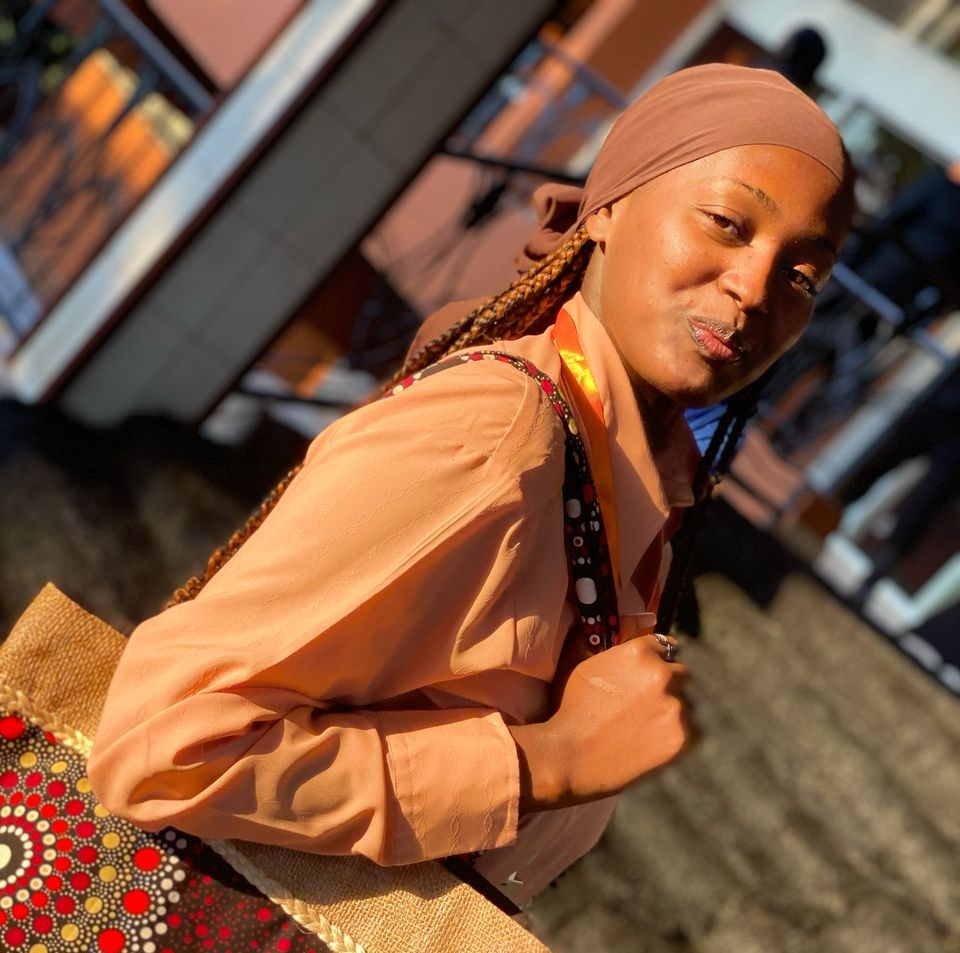
“As a young female refugee entrepreneur in Uganda, I’ve faced immense challenges in accessing financial assistance to grow my business. Despite using my personal savings to start my business, lenders are hesitant to invest in me due to my refugee status and lack of valid documentation. My refugee ID, meant to legitimize my presence in Uganda, seems worthless when seeking financial support. I’ve resorted to informal loans with high interest rates, putting my business at risk.
“I hope that by sharing my story, I can raise awareness about the barriers refugees face in accessing finance and inspire change to help us reach our full potential.”
I recently in witnessed Dr. Hillary Kisanja, the Senior Presidential Advisor on Agribusiness in Uganda decry bureaucracy in women’s access to government funds. He also highlighted the exploitation of women entrepreneurs, who are often forced to rely on informal, predatory lenders to access funds. This not only perpetuates a cycle of debt but also undermines their ability to scale their businesses.
Young Africa Works and the Mastercard Foundation, recently hosted a discussion, where young entrepreneurs shared their struggles in accessing funds, highlighting the need for more inclusive and accessible financial systems.
So, what can be done to support women entrepreneurs in overcoming these challenges? First, financial institutions must prioritize gender-sensitive lending practices, providing tailored financial products that cater to women’s specific needs. This includes offering microloans, savings programs, and insurance products that are accessible and affordable to women of all backgrounds including refugees.
Second, governments and policymakers must create an enabling environment that promotes women’s economic empowerment. This includes implementing policies that address the root causes of women’s exclusion from financial systems, such as discriminatory laws and social norms.
Third, organizations must invest in financial literacy programs that target female entrepreneurs, equipping them with the skills and knowledge necessary to navigate complex financial systems. This includes training on financial management, budgeting, and investment.
Technology also plays a critical role in expanding access to finance for women. Digital financial services, such as mobile banking and online lending platforms, can reach remote and underserved populations, providing them with secure and convenient access to financial services.
In conclusion, access to finance is a critical component of women’s economic empowerment and needs accelerated action as the theme for this year’s international Women’s Day. As we celebrate International Women’s Day, it’s essential to acknowledge the significant challenges women face in accessing finance and to commit to addressing these barriers. By working together, we can create a more inclusive and equitable financial system that uplifts women entrepreneurs to thrive and contribute to their communities economic development.
By Mutesi Ivet, a Refugee Entrepreneur
Very good https://is.gd/tpjNyL
Thank you so much for taking time to share your feedback. We are glad you enjoyed your visit here. Hope to see you back again soon!
Awesome https://is.gd/tpjNyL
We truly appreciate you taking time to share your feedback. It means a lot to know the content resonated with you, and We are glad you enjoyed your visit here. Your encouragement keeps us motivated to keep creating and improving. Hope to see you back again soon!